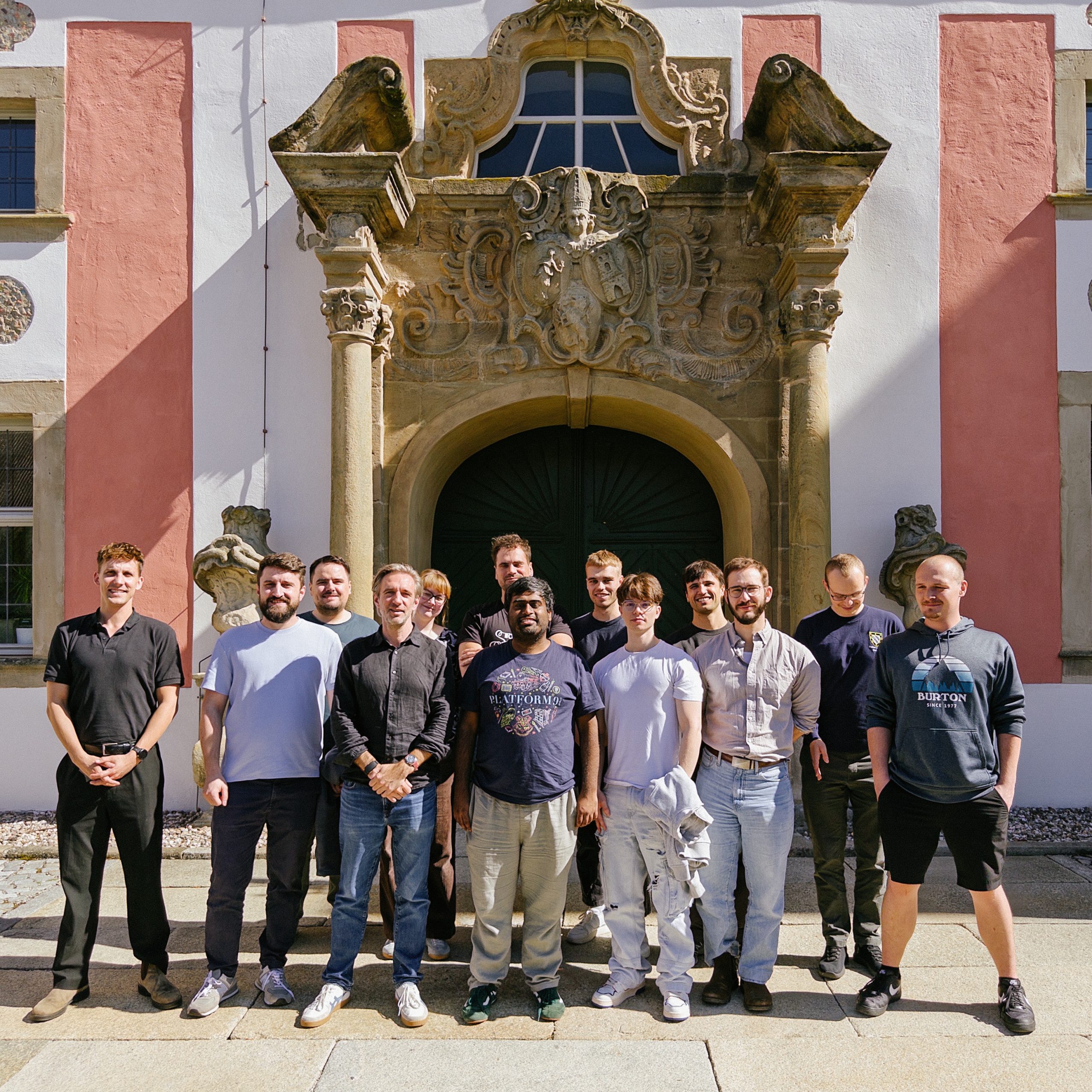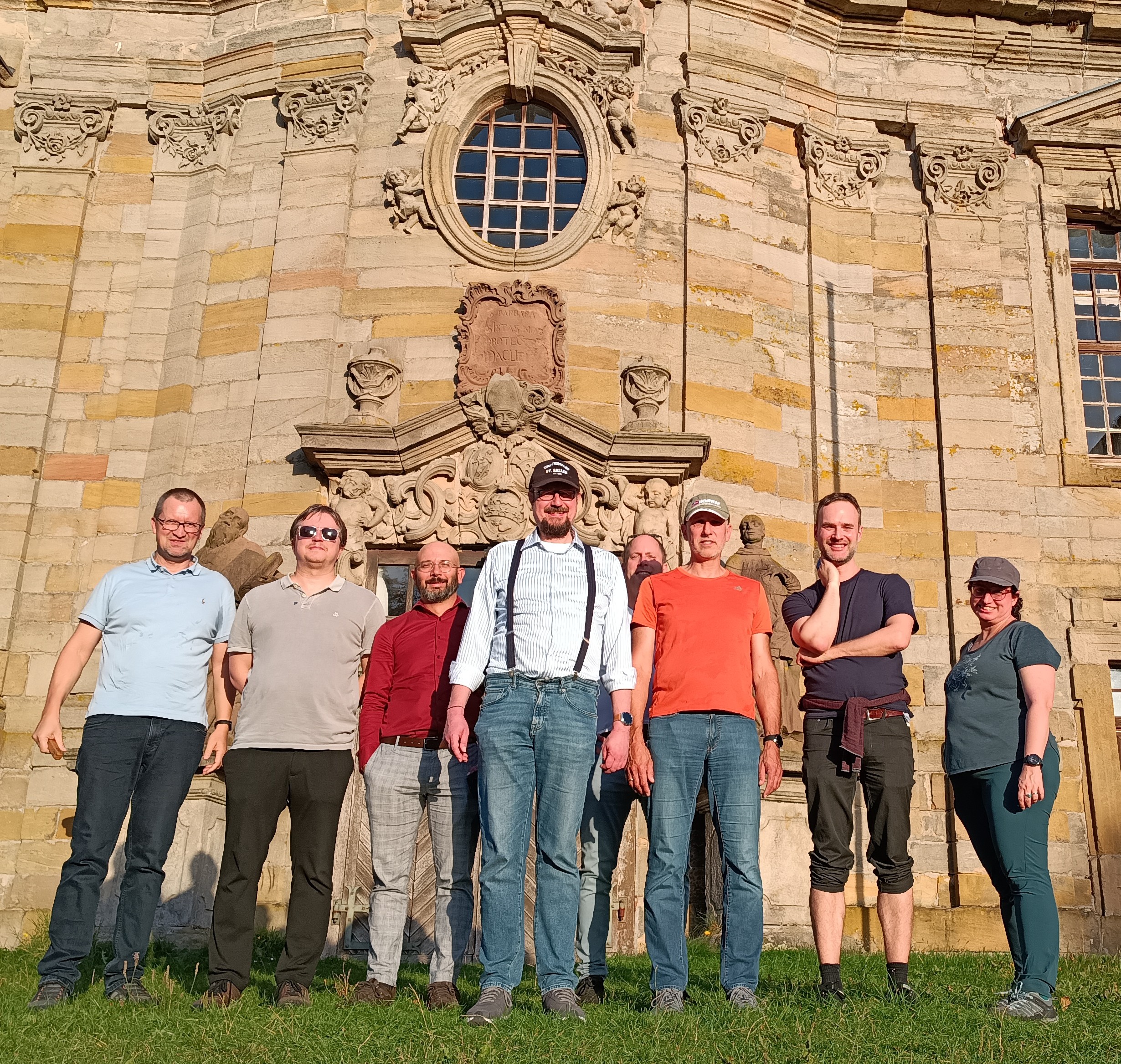
How are Natural Language Processing and Large Language Models evolving — and which research questions will shape the years ahead? On 28 and 29 September 2026, researchers from Bavarian universities and universities of applied sciences gathered at the Speinshart Scientific Center for AI and SuperTech to discuss exactly these questions. The interdisciplinary research seminar “Natural Language Processing and Large Language Models (NLP & LLMs)” brought together researchers working on current developments in language processing and large-scale AI models.
The seminar built on two previous events held in 2024 and 2025, continuing what has by now become an established format for scientific exchange at Speinshart. The series was initiated by Prof. Dr. Ulrich Schäfer of the Ostbayerische Technische Hochschule Amberg-Weiden. Unlike a conventional networking event, the seminar is explicitly research-driven: current work is presented and discussed, while also serving as a starting point for joint activities and new forms of collaboration.
A deliberately open format is a central element of the seminar concept. Inspired by the “Oberwolfach/Dagstuhl spirit,”the event is not defined by a rigidly predetermined conference programme. Instead, it creates space to address emerging research questions, introduce new perspectives and develop topics together. The aim is not only to foster exchange during the seminar itself, but also to encourage collaborations that continue well beyond the days spent in Speinshart.
Accordingly, the seminar began with lightning talks, giving participants an opportunity to introduce their research interests. A particular focus was placed on approaches and strategies for developing proprietary Large Language Models and Foundation Models in the context of stronger European AI sovereignty. The second day centred on research brainstorming, potential collaborations and work in smaller groups.
The link to industrial applications also played an important role. Thomas Stadelmann of deepset GmbH contributed an industry keynote on Agentic AI and Natural Language Processing, bringing in the perspective of a company directly involved in the development of modern AI and language technologies. The discussion that followed offered an opportunity to connect academic research questions with developments in practice.
The thematic breadth of the format had already become apparent during the previous seminar. Topics ranged from fine-tuning to improve citation quality in Retrieval-Augmented Generation systems, industrial question-answering systems and bias analysis in news texts to language processing in medical diagnostics, synthetic dialogue generation and the mechanistic interpretability of transformers. This year’s seminar once again aimed to take up and further expand this diversity of current research questions.
Speinshart provides a particularly suitable setting for this kind of exchange. The Speinshart Scientific Center deliberately conceives its scientific seminars as retreats: researchers are given the opportunity to step away from their everyday routines for a limited period of time, engage in focused discussions and develop new ideas together. In this context, shared meals and a group hike were not merely additions to the academic programme. Informal encounters are an important part of a format designed to combine scientific exchange with personal interaction.
For the Speinshart Scientific Center for AI and SuperTech, it was a great pleasure to welcome this research community back to Kloster Speinshart. Particularly in a field that is currently developing at extraordinary speed, spaces for open exchange, critical discussion and new collaboration are of particular importance.
We would like to thank Prof. Dr. Ulrich Schäfer and all participants for the intensive scientific exchange, and we look forward to continuing to support the development of this distinctive Speinshart format in the future.