Key Topics of the retreat:
- Sparsity and Structure in Neural Representations
- Explore how artificial symmetries and structured sparsity can be leveraged to design efficient and interpretable models.
- Discuss practical implementations of sparsification in large-scale foundation models.
- Bayesian Neural Networks and Approximate Inference
- Reflect on methods such as Laplace approximations (FSP-Laplace, Sparse GNPs) and recent critiques of Bayesianism in modern AI (Dagstuhl Seminar 24461).
- Evaluate robustness and uncertainty calibration in Bayesian pipelines, e.g., with Martingale Posteriors (Nagler & Rügamer, 2025).
- LoRA, Low-Rank Adaptation, and Scalable Posteriors
- Examine how low-rank and modular approximations (e.g., Gaussian SWA, Onal et al., 2024) can yield efficient, uncertainty-aware adaptation strategies in foundation models.
- Initiate shared benchmarks for evaluating such approaches in realistic downstream settings (e.g., medical imaging, bioinformatics).
- Hybrid Modeling and Domain-Specific Priors
- Foster discussion on how inductive biases from expert knowledge can be integrated into deep probabilistic models.
- Connect efforts across functional data analysis (Rügamer et al., 2024) and generative protein modeling (e.g., ProSpero by Kmicikiewicz et al., 2025).
- Sequential decision making
- Examine how deep Bayesian models can be effectively used for sequential decision-making tasks where well-calibrated belief updates are crucial, such as Bayesian optimization or active learning.
- Combine sequential inference perspectives, such as sampling chains (Kobialka et al., 2025) and martingales (Nagler and Rügamer, 2025) with scientific sequential design problems (e.g., Cinquin et al., 2025).
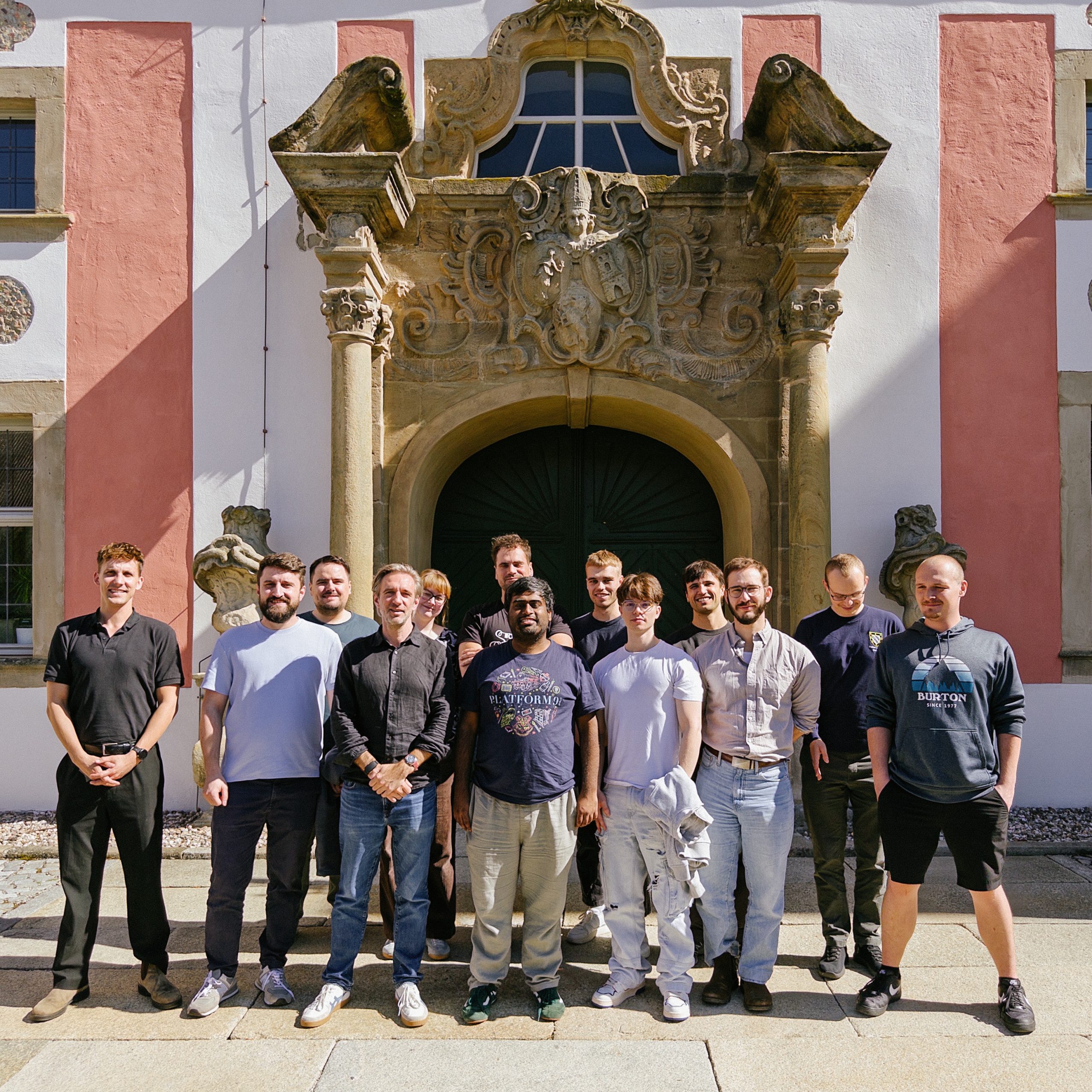
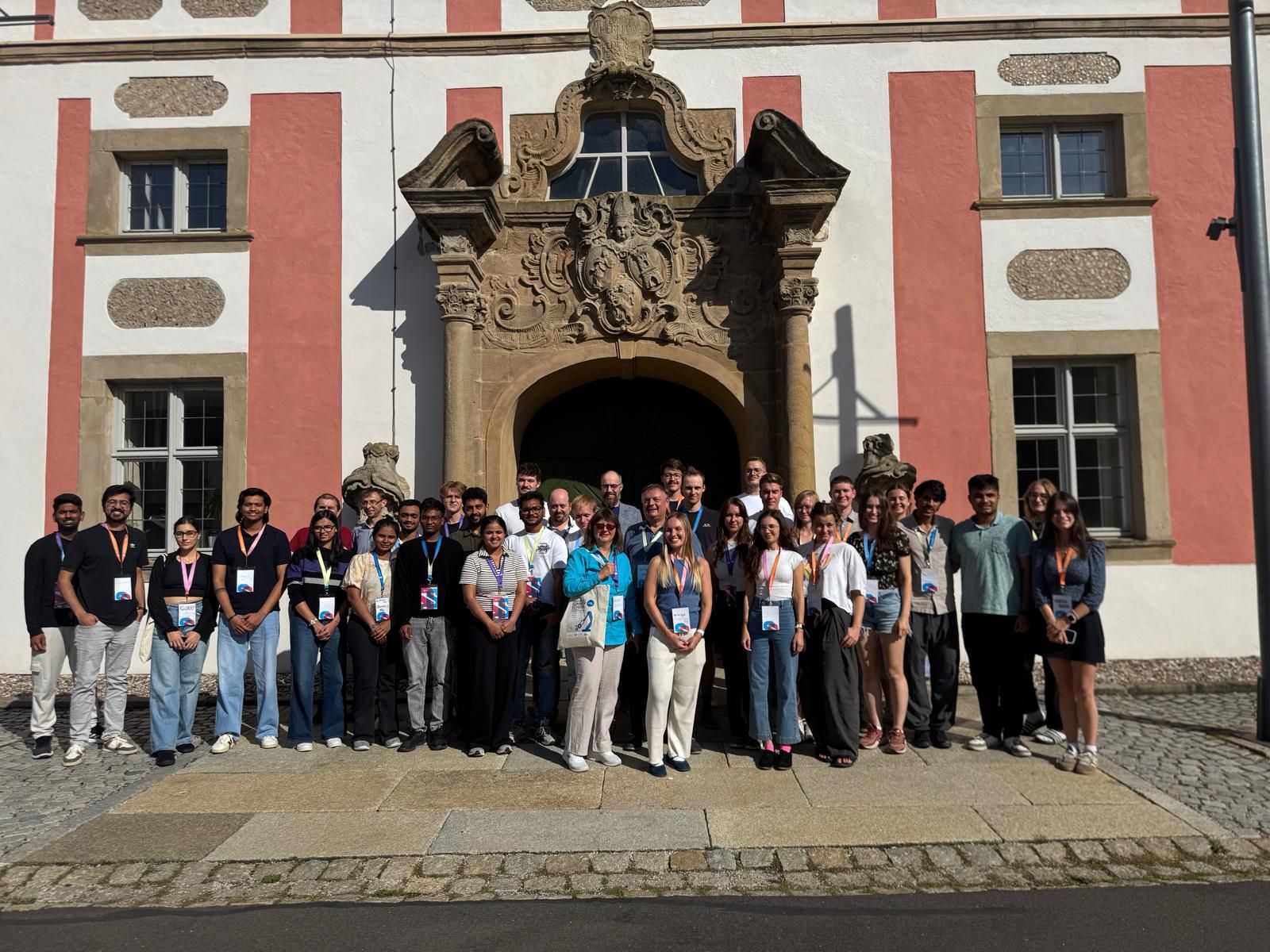
The retreat will consist of:
- Keynotes by team members introducing key topics
- Group discussions for brainstorming on how to answer open research questions, potential research projects, and joint publication planning (focusing on inter-research group collaboration)
- Elevator pitch session, where representatives of each group pitch their ideas in front of the plenary and receive feedback and advice from other retreat attendees
- 24h hackathon in small groups to quickly prototype ideas that came up in the discussions at the beginning of the retreat
- A strategic research workshop on the final day to finalize common goals, publication plans, and funding strategies
Please note: This is just an information regarding events taking place at SSC; public attendance is therefore not possible due to the character of the retreat.