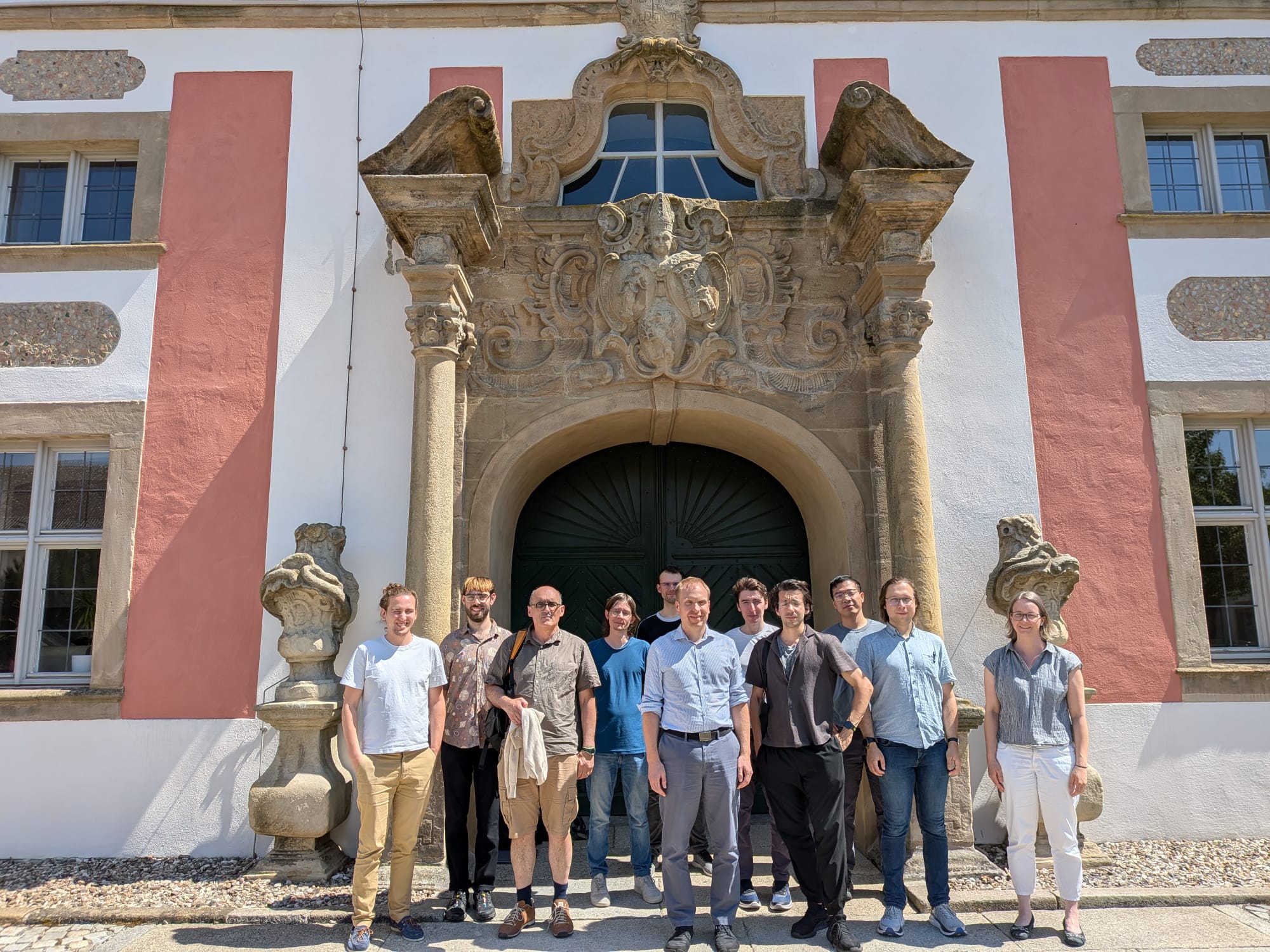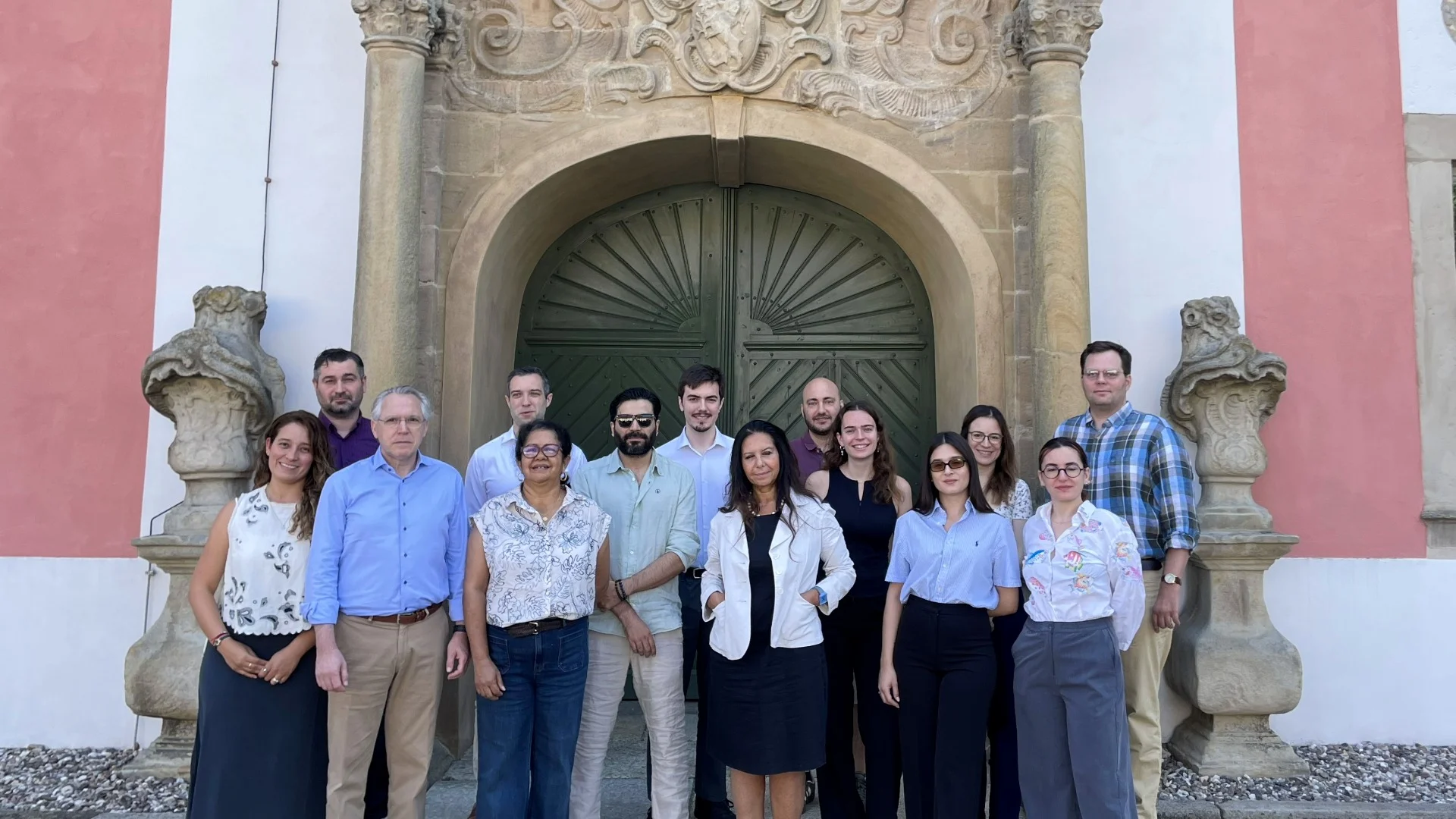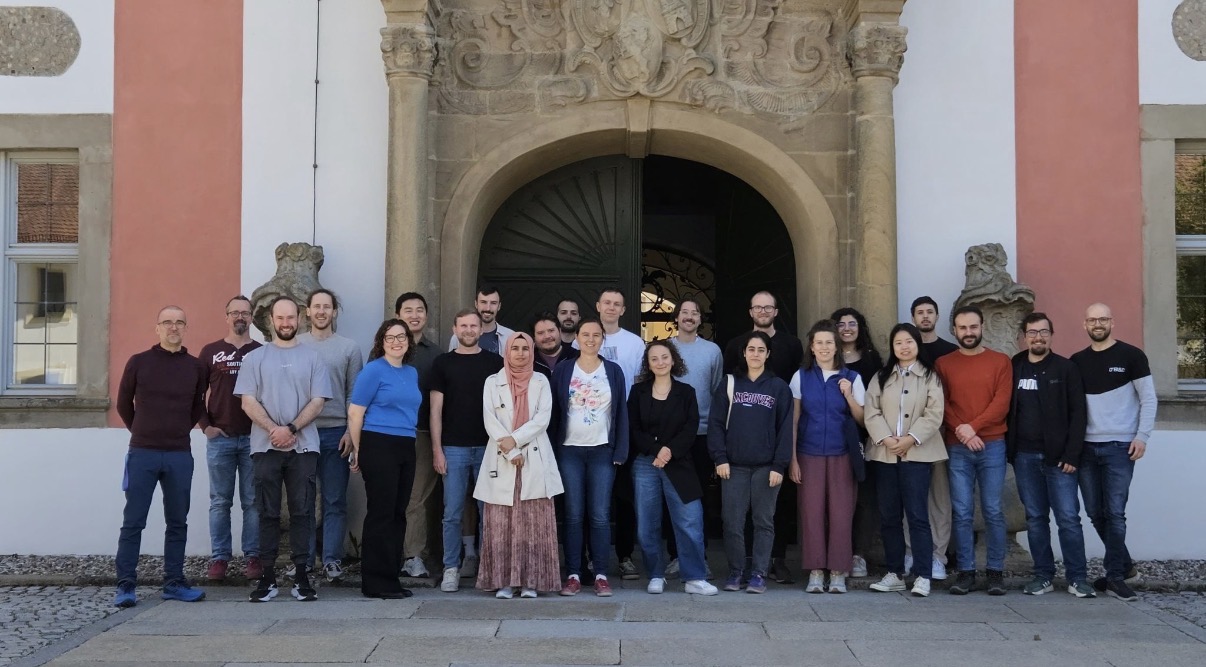
At the end of April, researchers from diverse disciplines gathered at the Speinshart Scientific Center for AI and SuperTech for the ASM–BioMAC Research Summit – a three-day retreat dedicated to advancing collaboration in modeling, design, and control of human–machine systems. What emerged was not just a scientific meeting, but a vibrant exchange of ideas, perspectives, and inspiration.
A Setting Designed for Exchange
The retreat began with a joint welcome from the organizers, setting the tone for an open and collaborative environment. From the outset, the program balanced structured sessions with informal interactions. Participants traveled together from Erlangen to Speinshart, creating an atmosphere that encouraged both intellectual and personal connections .
Scientific Highlights Across Disciplines
The agenda reflected the interdisciplinary nature of the field. Across multiple sessions, researchers presented and discussed topics ranging from machine learning and AI to wearable sensing, human–robot interaction, and assisted locomotion.
Keynote talks provided anchor points for deeper reflection. One keynote explored developmental robotics and human abilities in early infancy, offering insights into how intelligence and interaction emerge. Another keynote took a more unconventional perspective, using analogies such as parachuting and risk to provoke thought about decision-making and system design.
Parallel scientific sessions further enriched the program:
- Machine Learning & AI: Discussions centered on modeling complex systems and extracting meaningful patterns from data.
- Human–Robot Interaction: Talks explored how humans and machines can collaborate more naturally and effectively.
- Wearable Sensing & Interfaces: Presentations highlighted advances in capturing and interpreting human signals.
- Hardware & Control: Contributions focused on the physical and algorithmic foundations enabling intelligent systems.
- Assisted Locomotion: Researchers examined technologies that enhance or restore human mobility.
Each session combined short presentations with extended discussions, ensuring that ideas were not only presented but critically examined.
Beyond Presentations: Collaboration in Action
What set this summit apart was its emphasis on interaction. Breakout sessions were dedicated to developing collaborative project ideas, while workshops, such as one on AI tools for research, provided hands-on opportunities to explore new methodologies.
Strategic discussions on funding opportunities and shared infrastructure further demonstrated a commitment to long-term collaboration. These conversations laid the groundwork for future joint initiatives and strengthened connections between participating groups.
Learning, Reflection, and Unexpected Insights
The retreat was not limited to formal sessions. Group activities, shared meals, and even evening games contributed to a unique environment where learning extended beyond the lecture room. Participants reflected on topics as diverse as cognitive challenges, natural phenomena, and even the subtle ways inactive forces can still shape outcomes, reminding everyone that innovation often emerges from unexpected angles.
Knowledge in Motion
True to the spirit of “knowledge in motion,” the summit integrated physical activity with intellectual exchange. Walking, hiking, and informal discussions created space for ideas to evolve organically. These moments often proved just as valuable as formal sessions in sparking new perspectives.
A Strong Foundation for the Future
The ASM–BioMAC Research Summit demonstrated the power of bringing together diverse expertise in an environment designed for open dialogue. By combining rigorous scientific exchange with genuine collaboration and shared experiences, the retreat succeeded in strengthening existing partnerships and initiating new ones.
As participants returned to their institutions, one thing was clear: the conversations started in Speinshart will continue—shaping future research, collaborations, and innovations in human–machine systems.