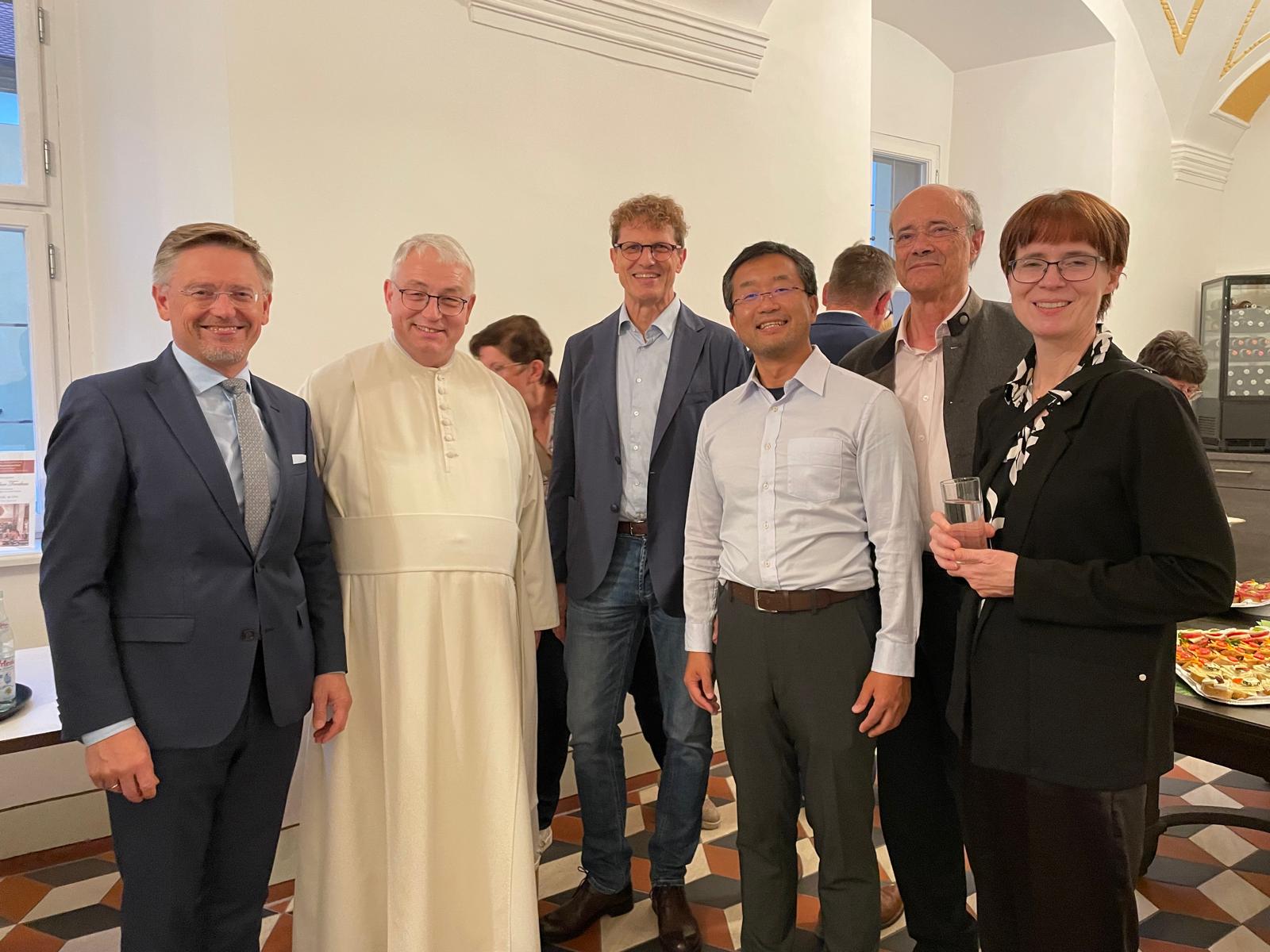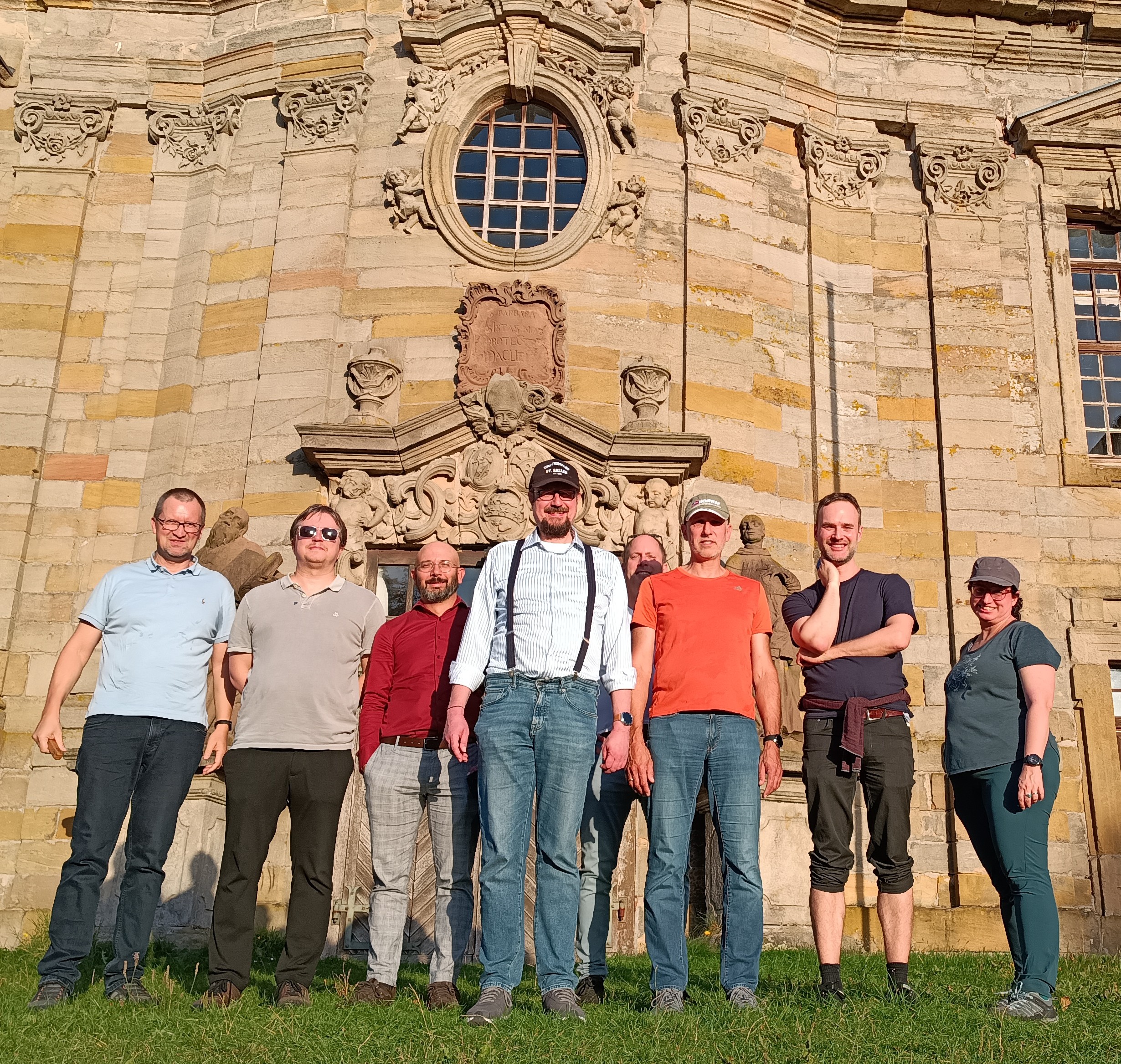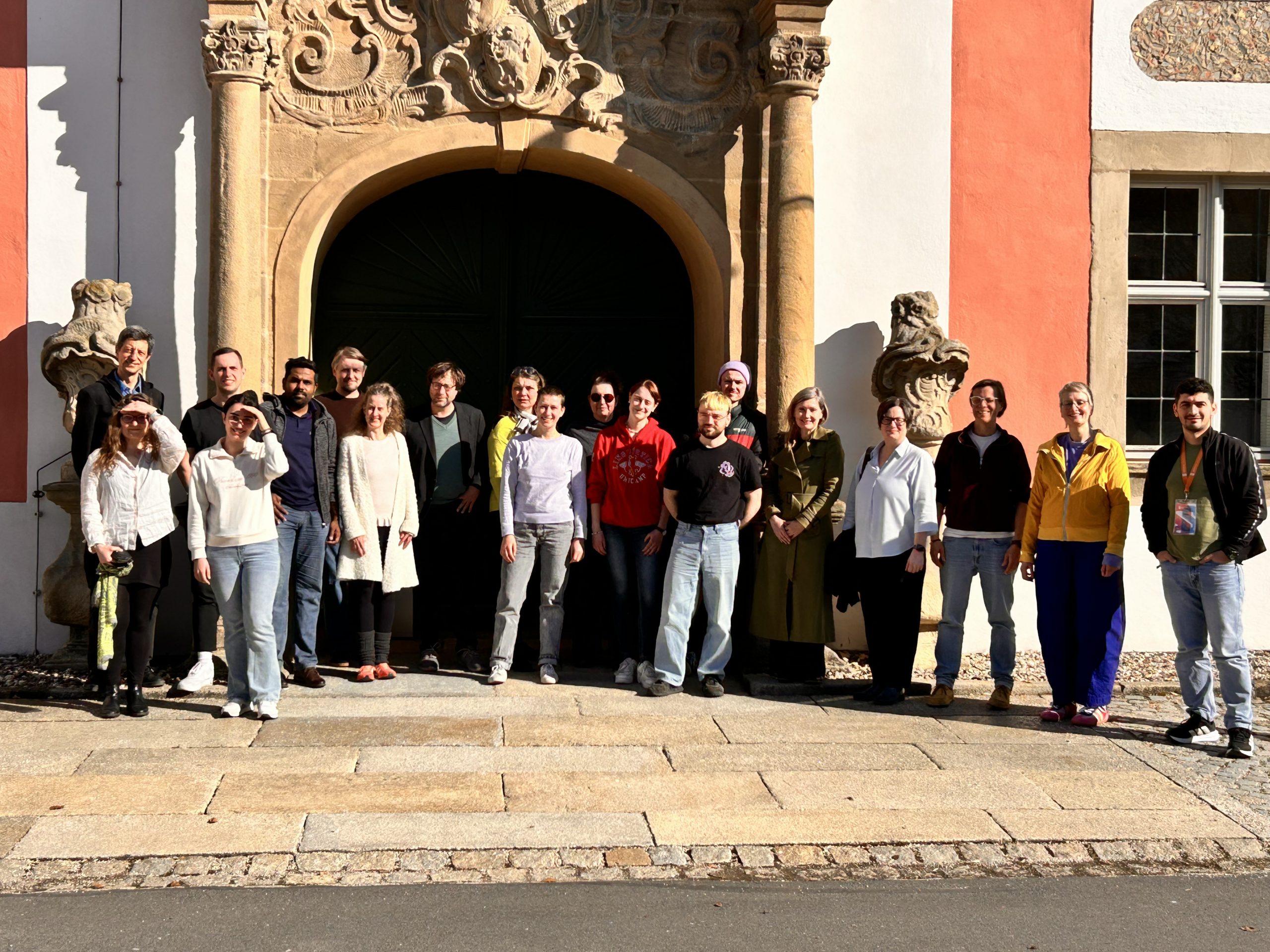
From March 3 to 7, 2026, the winter school “Transformationsraum AI” took place at Kloster Speinshart in Bavaria. The event brought together students and researchers from a variety of disciplines to explore the societal, cultural, and artistic implications of digitalization and artificial intelligence. The aim of the winter school was to discuss ongoing transformation processes and to jointly develop new perspectives for the arts and cultural sector in the age of AI.
The winter school was organized by the Bavarian Science Center for AI and SuperTech at Kloster Speinshart in cooperation with the Bavarian Research Institute for Digital Transformation (bidt), its Digitalization Colleges, as well as the University of Augsburg, LMU Munich, and the Technical University of Applied Sciences Augsburg.
Interdisciplinary Exchange and Hands-on Workshops
Following the participants’ arrival on Tuesday afternoon and an initial get-together, the winter school officially opened with a keynote lecture on Digital Humanism by Prof. Dr. Peter Knees and Prof. Dr. Julia Neidhardt, which provided an overarching framework for the discussions of the following days.
On Wednesday, the program began with a workshop titled “Digital Humanism – What It Is and What Follows from It”, led by Klaus Staudacher. In the afternoon, participants attended a session on technical foundations and the local operation of generative AI, presented by Dr. Markus Frank. Afterwards, working groups were formed in which participants began developing their own project ideas.
Thursday focused on cultural and literary perspectives on artificial intelligence. The workshop “A Sand Factory in the Desert: Linguistic Simulations and Inner Worlds in Literary Translation with and without AI”, led by Claudia Hamm, opened up new perspectives on the use of AI in literary translation. The day also included collaborative working sessions for the project groups and informal activities such as a group hike in the surroundings of the monastery.
Friday highlighted creative practice and presentation. In the workshop “Creative Writing with AI”, led by Jörg Piringer, participants explored new forms of AI-supported text production. This was followed by a keynote lecture by Sebastian Vobig on the AI-assisted analysis of musical interaction in music therapy improvisations, which connected technological innovation with music and therapeutic practice. The academic program concluded with presentations of the working groups, where participants shared the ideas and projects they had developed during the week.
Artistic Program and Collaborative Atmosphere
In addition to the academic and practical sessions, the winter school also offered cultural highlights. A concert titled “The Brain – A Musical Exploration” combined artistic perspectives with scientific themes and provided a fitting conclusion to the week’s program.
The unique atmosphere of Kloster Speinshart fostered intensive exchange among participants and created space for both focused work and informal discussions, encouraging new collaborations and interdisciplinary dialogue.