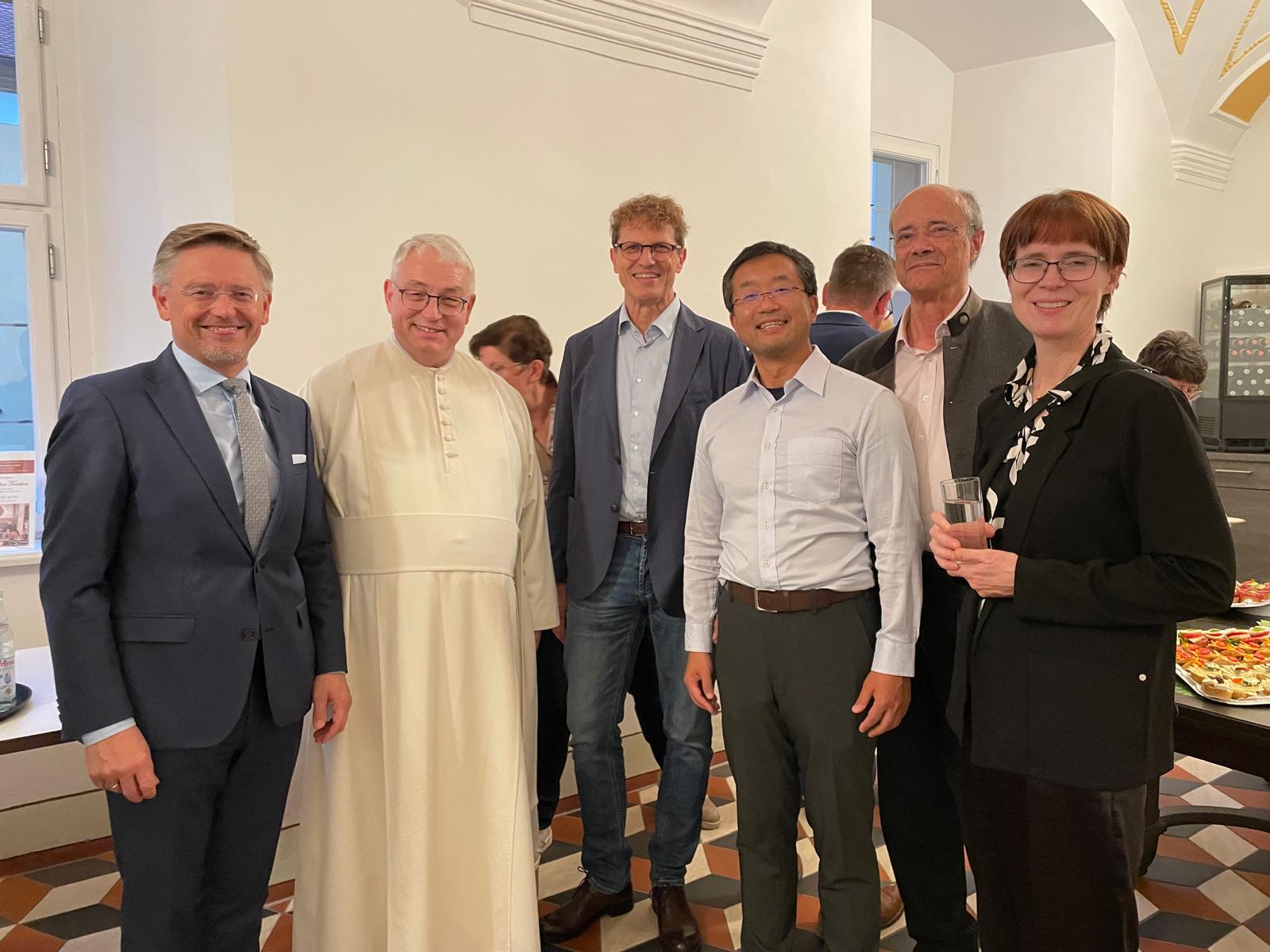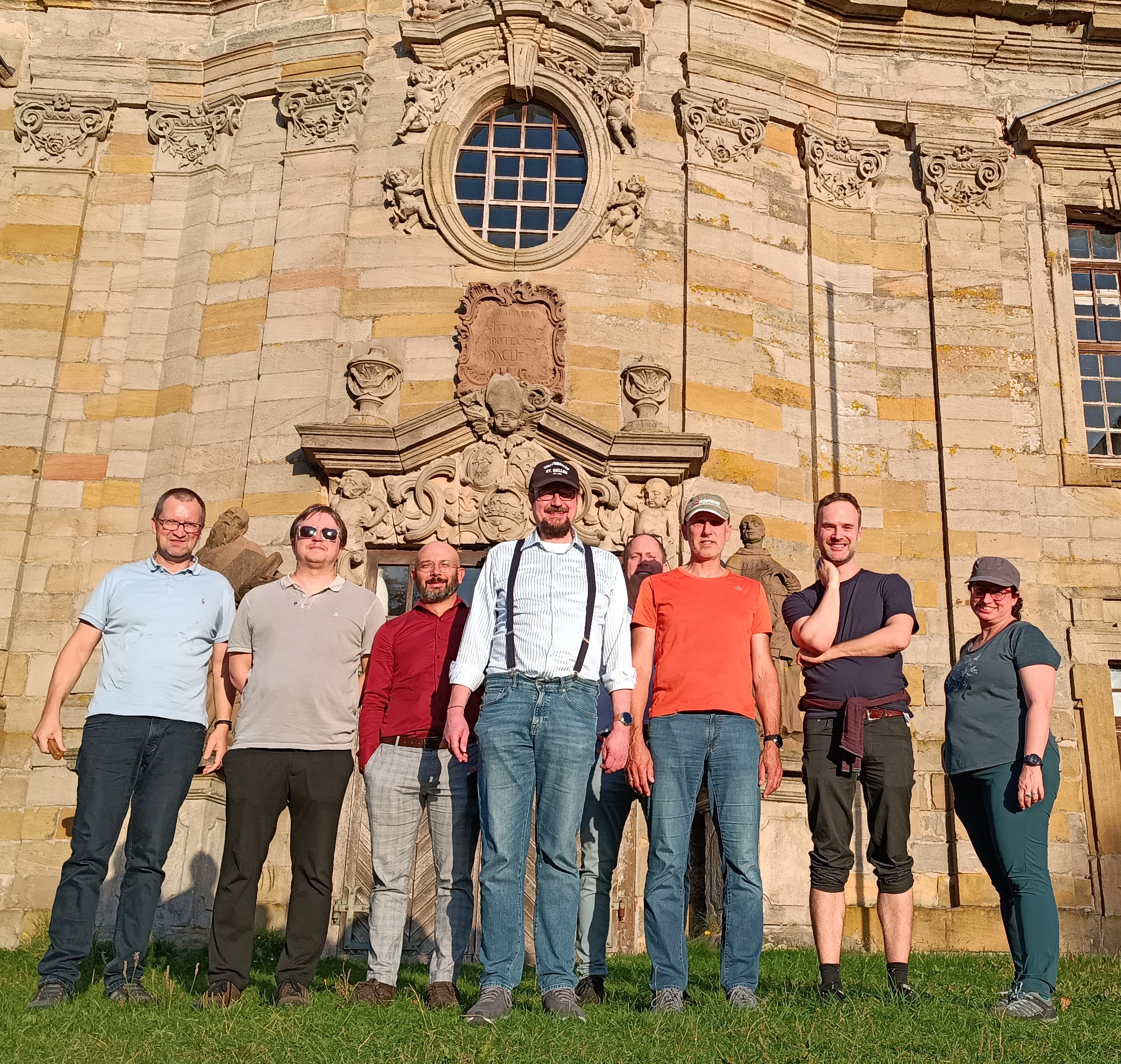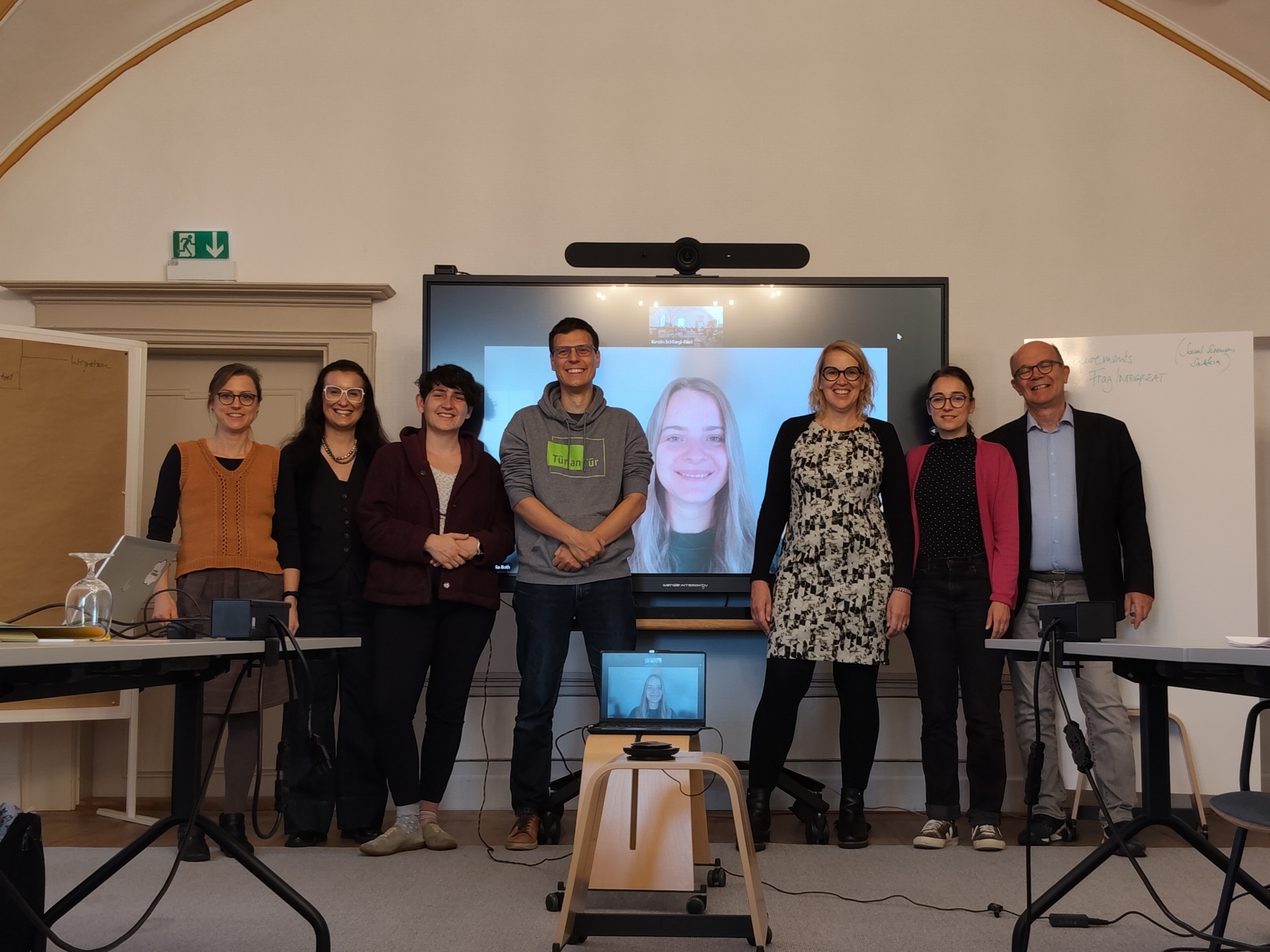
Exciting insights and valuable recommendations – this is perhaps the best way to sum up the workshop on IntegrAItion.
Over the course of three days, researchers from the Center for Responsible AI Technologies – a collaboration between the Munich School of Philosophy, the Technical University of Munich, and the University of Augsburg – came together with invited guests and the developers of the integration app Integreat to explore possibilities for its further development.
Through presentations as well as individual working sessions, the participants contributed academic perspectives on how AI could be further integrated into and developed within the tool. Integreat already features the chatbot “Frag Integreat”, but the development team was keen to gain input from a range of academic disciplines.
These included perspectives from the social and political sciences, represented by Dr Saskia Schäfer and Prof. Dr Izabela Grabowska, as well as from business information systems and German as a foreign language, represented by Prof. Dr Manuel Wiesche and Dr Matthias Jung. All of these disciplines contributed valuable and substantive recommendations in the context of migration and integration.
The interdisciplinary exchange on contemporary questions surrounding integration and artificial intelligence generated new research questions and provided fresh impulses for the further development of the application. Ultimately, these efforts are intended to strengthen the trustworthiness of AI-based applications – an aspect that is particularly important from an ethical and theological perspective.