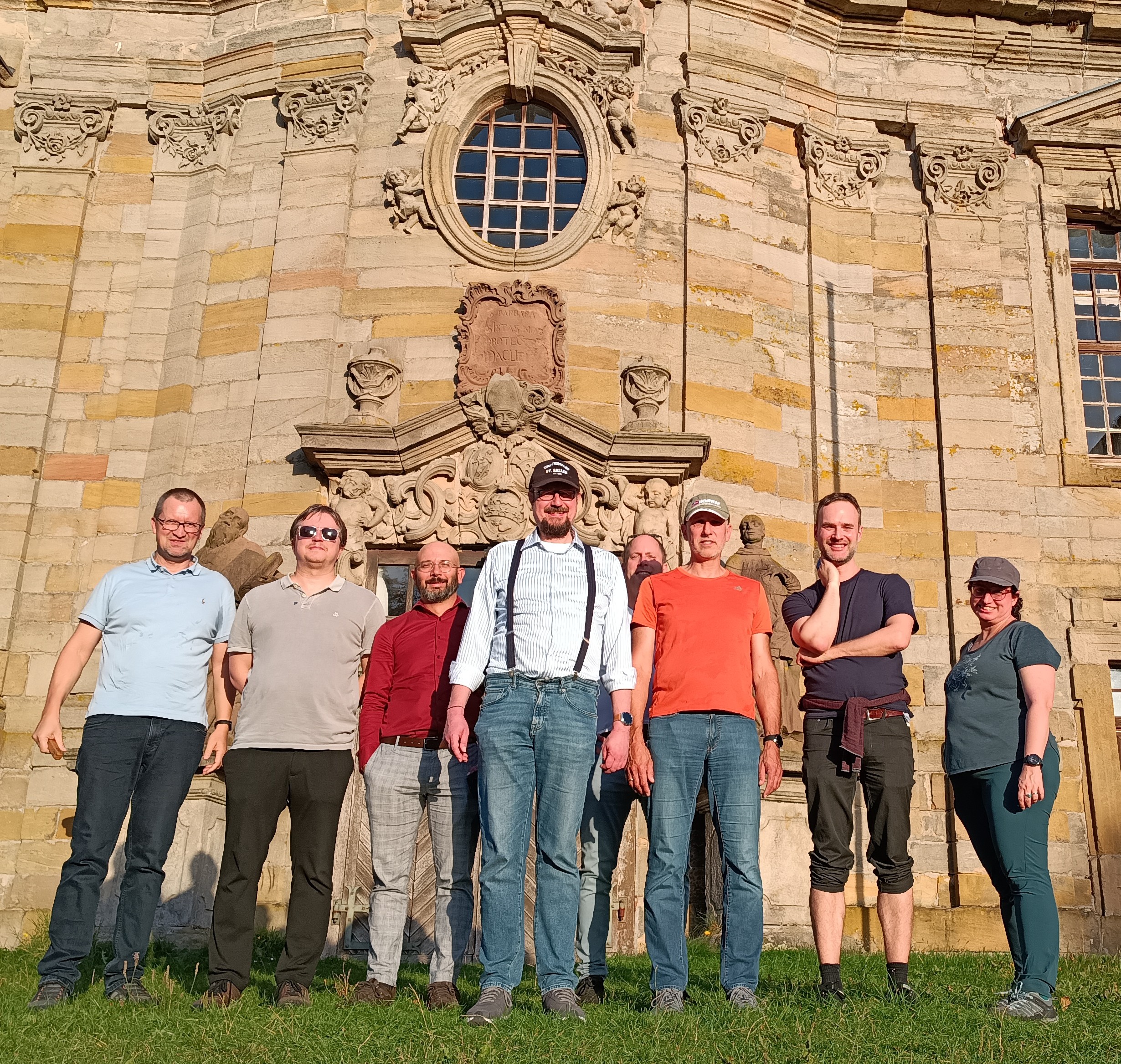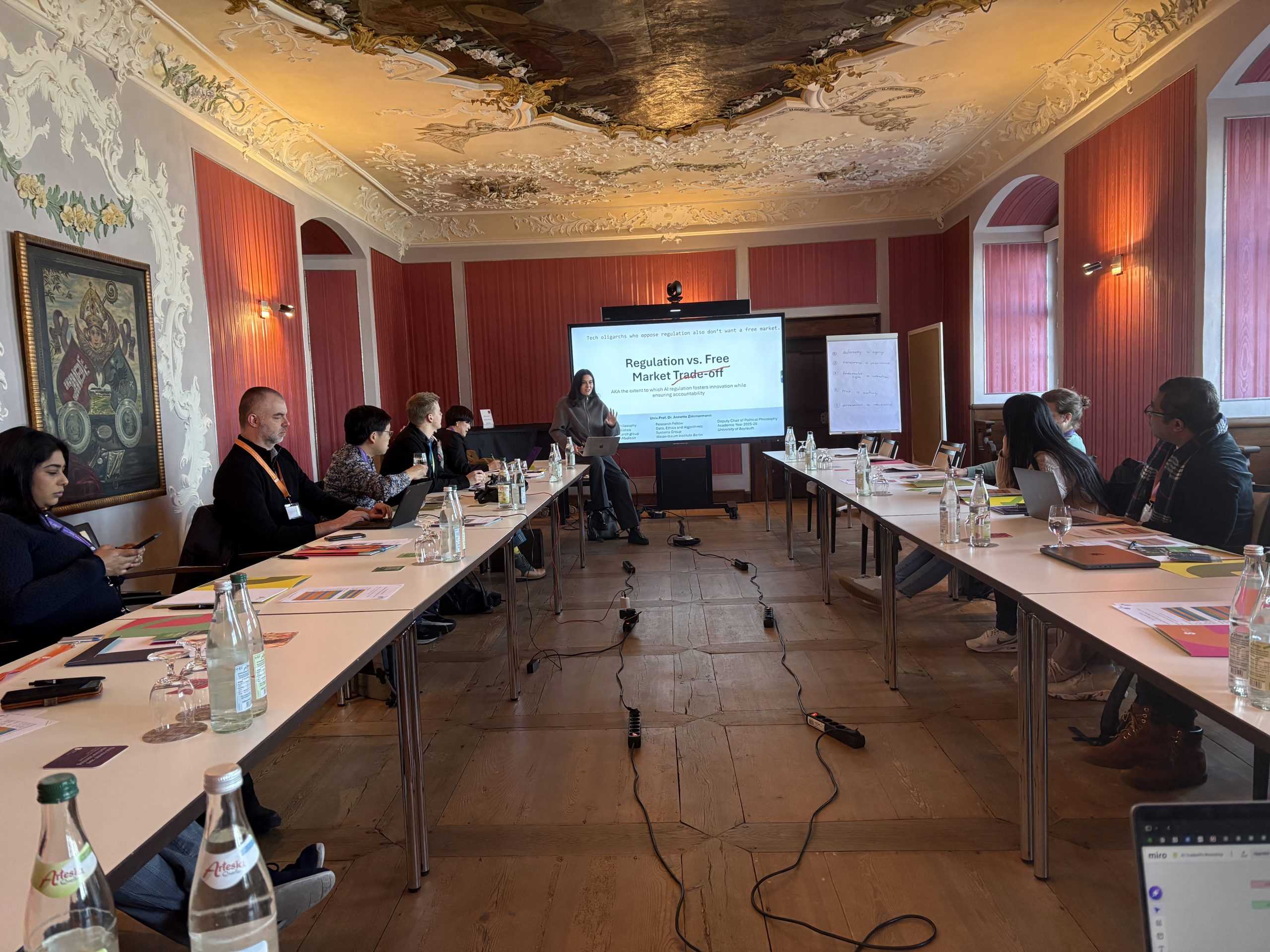
From February 4–6, 2026, the Speinshart Scientific Center for AI and SuperTech (SSC) hosted the international scoping workshop “AI in a Fragmented World: Navigating Trade-offs Across Disciplines and Cultures.” The event brought together leading scholars from philosophy, law, computer science, information systems, and related disciplines across Europe, Australia, Asia, North America, and beyond.
At the heart of the workshop was a pressing question: How can artificial intelligence be designed and governed responsibly in a world shaped by cultural, political, and disciplinary fragmentation? As AI systems increasingly permeate high-stakes domains such as healthcare, public administration, and education, balancing competing priorities, such as innovation and fundamental rights, transparency and performance, or autonomy and human agency, has become a central challenge.
Structured Dialogue Across Disciplines and Cultures
Over three intensive days, participants engaged in plenary discussions, lightning talks, and rotating interdisciplinary working groups. Core trade-offs in AI design and governance structured the debate, including:
- Performance vs. Transparency
- Autonomy vs. Human Agency
- Regulation vs. Free Market
- Universal Standards vs. Cultural Context
- Innovation vs. Fundamental Rights
The workshop format deliberately fostered sustained intercultural dialogue. Scholars from institutions including Tsinghua University, the University of Melbourne, the University of Texas at Austin, Osaka University, Utrecht University, and several German universities contributed perspectives shaped by diverse regulatory traditions and cultural frameworks.
The discussions highlighted both areas of convergence, such as the need for accountability, explainability, and global cooperation, and points of friction, particularly regarding the balance between state-led governance, market-driven innovation, and rights-based regulatory approaches.
From Exchange to Action: Developing a Position Paper
A key outcome of the workshop is the development of a jointly authored position paper. Building on pre-workshop statements, in-session syntheses, and a structured post-workshop review process, the paper will articulate shared commitments, identify unresolved tensions, and propose practical guardrails for AI design and governance.
The publication is intended to address academic audiences, policymakers, and practitioners alike and will be disseminated internationally, including through high-visibility academic formats.
Speinshart as a Space for Global Reflection
By convening scholars from across continents in an intensive retreat setting, the SSC once again demonstrated the unique value of Speinshart as a place where cutting-edge research meets structured reflection. The workshop not only advanced substantive debates on responsible AI but also strengthened international research networks that will continue to collaborate beyond the event itself.
In a fragmented world, meaningful progress in AI governance requires precisely such spaces of dialogue. The SSC remains committed to fostering interdisciplinary and intercultural exchange to shape AI systems that are innovative, effective, ethically grounded, and culturally sensitive.