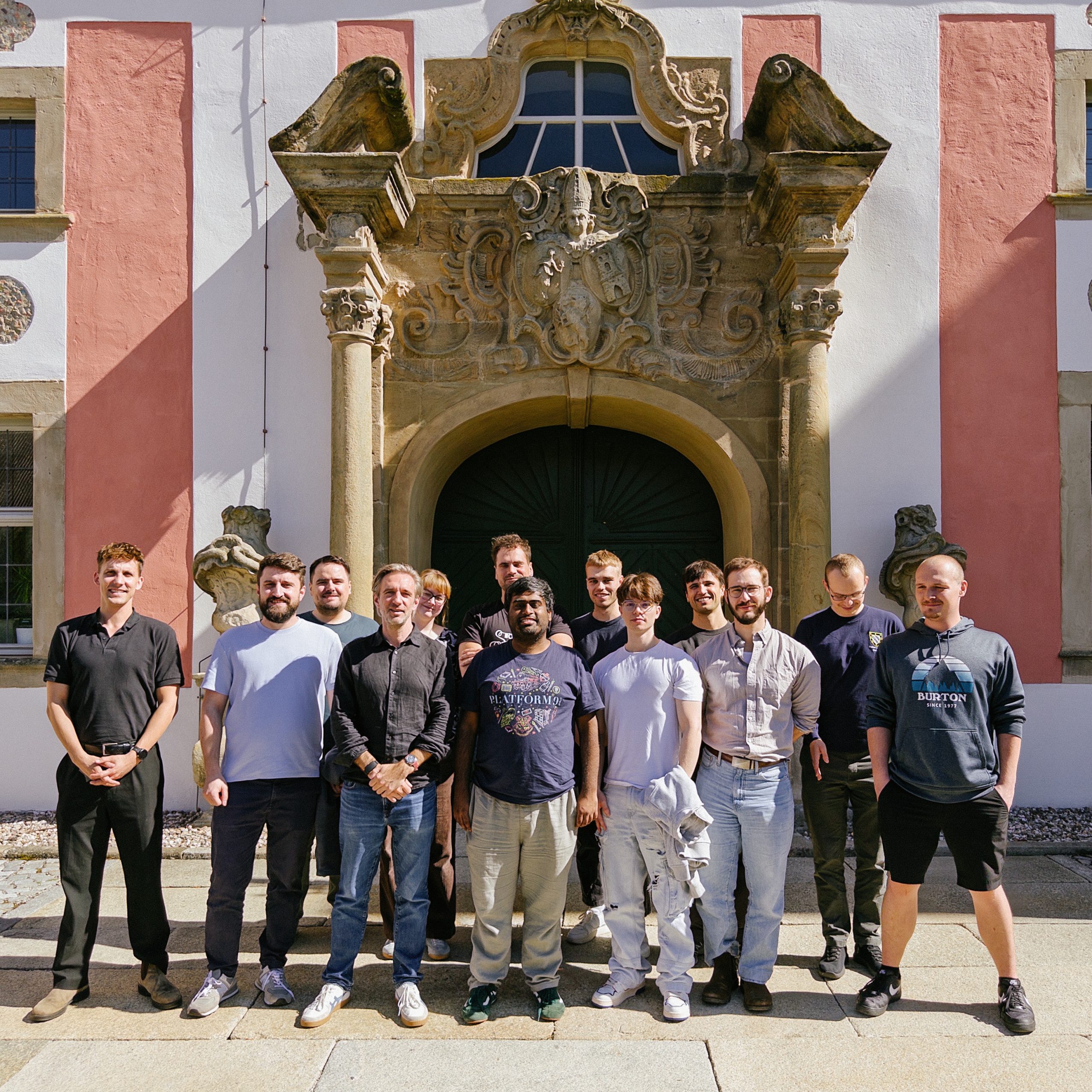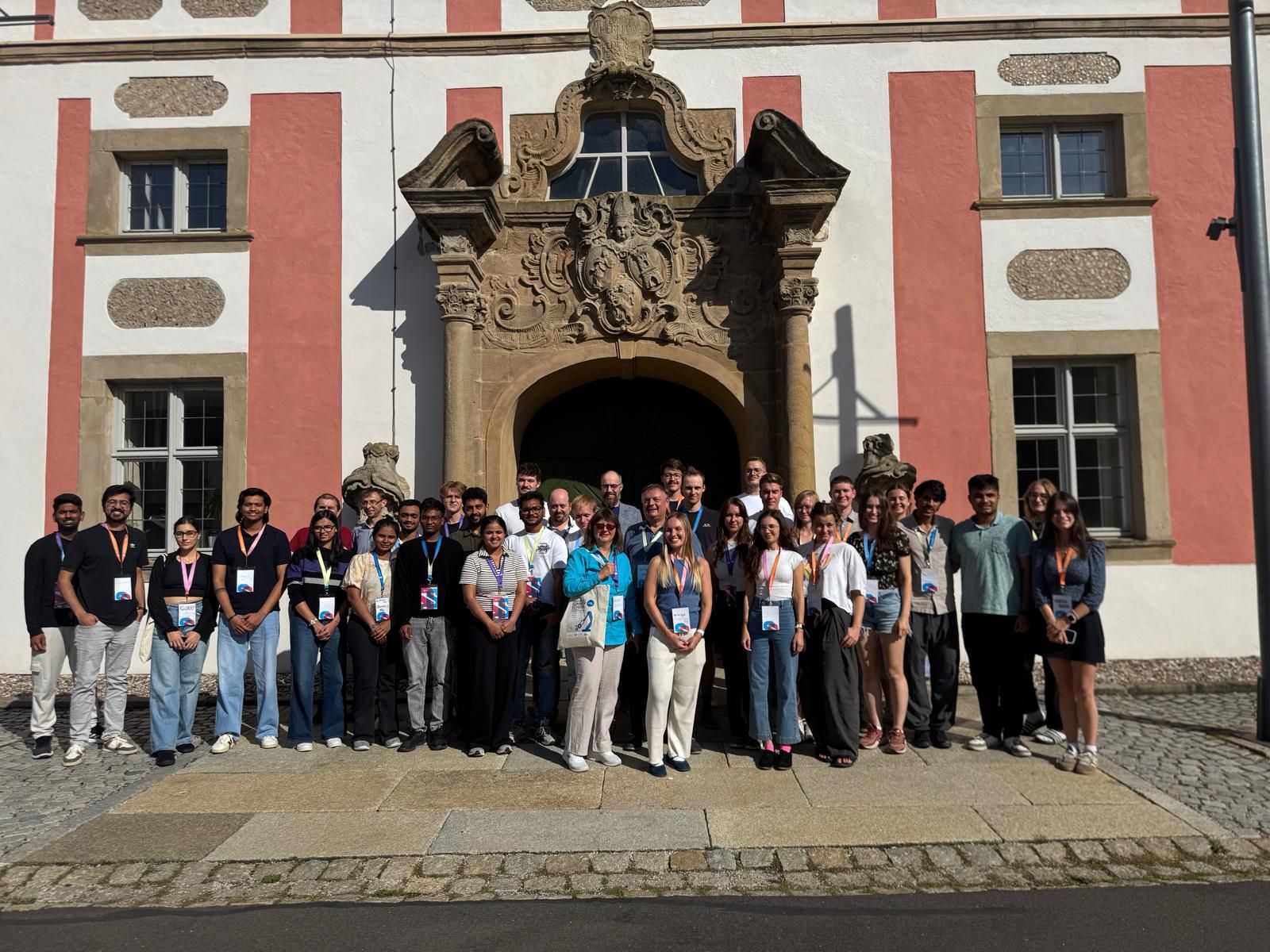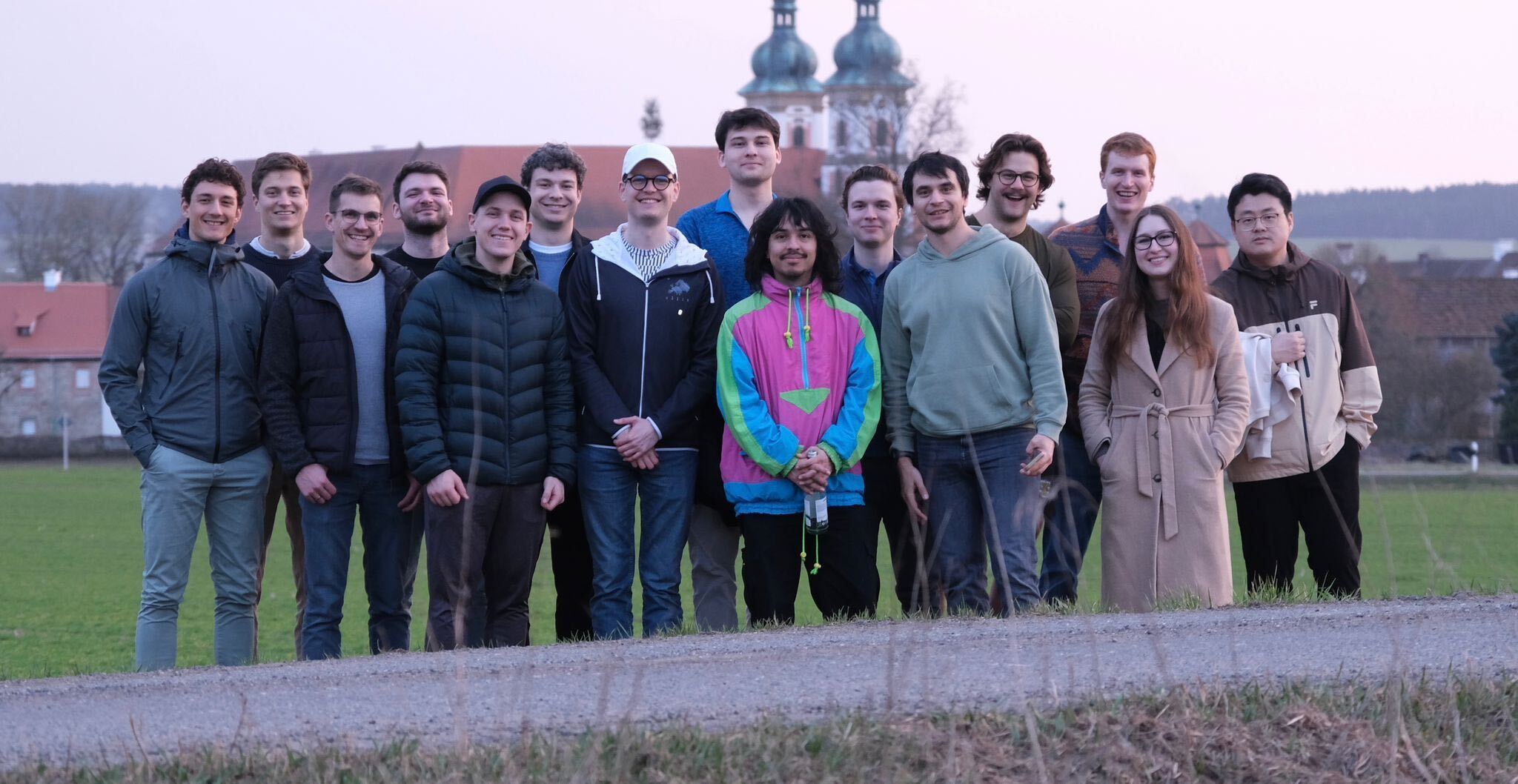
From theory to prototypes in just 72 hours: our recent research retreat brought together interdisciplinary teams to explore the future of probabilistic deep learning. Over several days, participants engaged with key challenges at the intersection of machine learning, statistics, and domain science, ranging from sparsity and structure in neural representations to Bayesian neural networks and approximate inference. Further discussions focused on low-rank adaptation (LoRA) and scalable posterior approximations, hybrid modeling approaches that integrate domain-specific priors, and sequential decision-making under uncertainty.
The retreat was intentionally designed as a hands-on and highly collaborative format. Keynotes by team members provided a shared understanding of the state of the art, while intensive group discussions helped identify open research questions and potential project ideas. These were then put to the test in elevator pitch sessions, where participants presented their concepts and received feedback from the broader group. A particular highlight was the 24-hour hackathon, during which small teams rapidly developed and prototyped new approaches emerging from the earlier discussions. The retreat concluded with a strategic workshop aimed at aligning on joint publication plans, common research goals, and future funding opportunities.
A central theme throughout the event was the ambition to bridge theory and practice. Discussions and prototypes alike reflected this goal, spanning topics such as uncertainty-aware foundation models and their applications in fields including medical imaging, bioinformatics, and scientific design.
The retreat demonstrated how impactful close collaboration across research groups can be—not only in generating ideas, but in transforming them into concrete, actionable projects. We are excited to see the next steps and the joint publications that will emerge from this exchange.
At the same time, the event marked the launch of the joint series “BAIOSPHERE X Speinshart,” a collaborative initiative between the two institutions aimed at strengthening research networks in Bavaria and beyond, leveraging existing synergies and structures, and advancing them together. Our sincere thanks go to Michael Klimke and Lydia Generotzky for the fruitful cooperation.